15 Simple Ways to Make Your Clothes More Sustainable Without Buying New Ones
Fast fashion produces around 92 million tons of textile waste every year [1]. Most of it comes from clothes that still work, needing attention, creativity, or a second chance. You already own what you need. The most sustainable wardrobe is the one you already have.
1. Repair Before You Replace
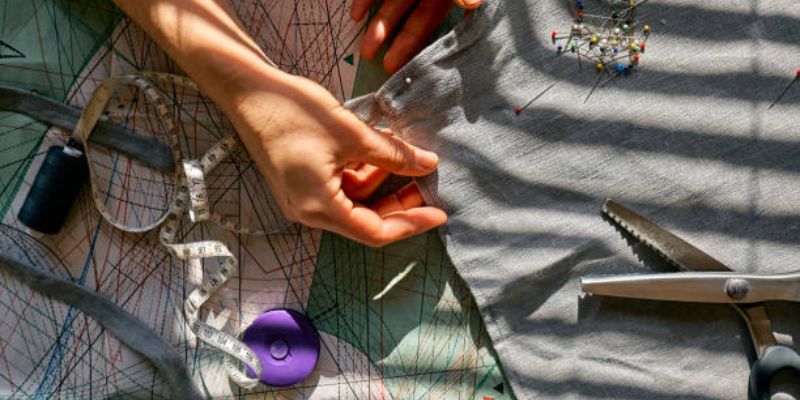
A missing button, a small tear along a seam, a broken zipper — these are not reasons to throw something away. They are ten-minute fixes. Learning basic hand stitching takes less time than watching a single episode of anything, and a needle-and-thread kit costs under three dollars.
Repairing clothes is one of the most direct sustainable fashion habits you can build because it extends the life of a garment without spending or producing anything new.
2. Wash Less, and Wash Smarter
Most clothes do not need washing after every single wear. Denim, in particular, can go weeks between washes without any real issue — Levi's has publicly recommended washing jeans as infrequently as possible to preserve fabric and reduce water use.
Washing at 30 degrees Celsius instead of 60 can cut the energy used per cycle by roughly 40%. That adds up fast. Cold water also reduces fiber damage, meaning clothes last longer before fading, shrinking, or pilling.
3. Air Dry Everything You Can
Tumble dryers are hard on fabric. The heat breaks down fibers faster than almost any other part of the laundry process, which is why dryer lint exists, as that lint is literally pieces of your clothes disintegrating.
Air drying extends garment life noticeably. A cotton t-shirt that gets machine-dried repeatedly will thin and lose shape far sooner than one that dries on a rack. It also cuts your household energy use in a meaningful way, with dryers accounting for around 6% of home electricity consumption in the average U.S. household.
4. Rewear and Restyle What You Already Own
Sustainable fashion is not just about what you buy or discard; it is about how often you actually use what is sitting in your closet. Most people wear about 20% of their wardrobe 80% of the time.
Try treating your closet like a store. Pull out pieces you have not worn in months. A dress worn as a top, a blazer thrown over joggers, a scarf tied as a belt — restyling is genuinely free, and it often produces better outfits than shopping does.
5. Store Clothes Properly to Make Them Last
Knitwear stored on hangers will stretch. Leather stored in plastic will crack. Silk left in direct sunlight will fade in weeks. Most wardrobe damage happens quietly in storage, not through wearing.
Fold heavy knits flat. Use cedar blocks instead of mothballs; they work without chemicals. Keep leather goods in breathable cotton bags. These are small habits that protect clothes for years without any cost beyond basic attention.
6. Use a Fabric Shaver on Pilled Knitwear
Pilling makes clothes look worn-out well before they actually are. A fabric shaver, sometimes called a lint shaver, removes those bobbles in minutes and makes a sweater that looks past its prime look close to new again.
A decent fabric shaver costs around eight to fifteen dollars and lasts for years. It is one of the highest-return sustainable fashion tools available because it reverses visible aging on wool, fleece, and cotton knitwear without replacing anything.
7. Swap Clothes With Friends or Neighbours
Clothing swaps are one of the better-kept secrets in sustainable fashion. You get something new-to-you, someone else gets something new-to-them, and nothing new gets manufactured or bought.
Organize a small one with five or six people and the variety is surprising. People tend to hold onto things they never wear out of vague attachment, and a swap gives those pieces an actual reason to move. It works better than selling for most people because it is faster, social, and free.
8. Repurpose Worn-Out Items Instead of Tossing Them
A t-shirt too far gone to wear can become cleaning rags, a tote bag lining, or stuffing for a draft stopper. Old socks make excellent shoe polishing cloths. Worn denim can be cut into patches for other jeans.
This kind of repurposing keeps textile waste out of landfills at the individual level. Globally, only about 12% of clothing material is currently recycled [2], which means most of what gets thrown away still had practical uses left in it.
9. Learn One or Two Tailoring Tricks
You do not need to be a seamstress to make clothes fit better. Taking in a waistband with a simple elastic trick, hemming trousers with iron-on hem tape, or nipping in a side seam on an oversized shirt, these adjustments take a garment from "I never wear this" to "this actually works."
Clothes that fit well get worn. Clothes that fit badly sit untouched until they end up donated or discarded. Fit is one of the biggest quiet drivers of wardrobe waste.
10. Spot Clean Instead of Full Washing
Not every stain requires a full wash cycle. A splash of sauce, a small dirt mark, a makeup smudge on a collar, these respond well to spot cleaning with a damp cloth and a tiny amount of mild detergent.
Spot cleaning preserves color, protects fabric structure, and saves time. For delicate items, especially, repeated full washes cause far more wear than the item actually experiences through being worn. Getting into this habit alone can dramatically extend the life of favorite pieces.
11. Use Proper Detergent for Delicates
Standard detergents are formulated for everyday cotton. On wool, silk, or technical fabrics, they can cause irreversible damage — shrinking, felting, fiber breakdown. Wool wash or gentle detergents exist specifically to prevent this.
This is not a marketing upsell. It is fiber chemistry. A single incorrect wash can ruin a cashmere sweater that would have otherwise lasted fifteen years. The cost difference between a standard detergent and a specialist one is small; the cost of replacing a ruined garment is not.

12. Donate Thoughtfully, Not Reflexively
Donating feels responsible, but the reality of how donation centers handle volume is complicated. Many charity shops are overwhelmed, and a significant portion of donated clothes ends up exported or landfilled anyway.
Donating items in genuinely good condition to smaller, community-based organizations, shelters, or local clothing drives tends to have a much higher actual impact than dropping bags at large commercial donation bins. If something is still good, it deserves to go somewhere it will actually be worn.
13. Try Visible Mending as a Style Choice
Visible mending is exactly what it sounds like: repairing clothes in a way that does not hide the repair. Bright embroidery over a hole, a contrasting patch on worn denim, decorative stitching across a frayed hem.
It started as a practical necessity in many cultures and is now a recognized approach to both sustainable fashion and personal style. There are entire communities built around it online. A garment with visible mending tells a story. It also practically lasts longer because the repair reinforces the damaged area rather than just concealing it.
14. Understand Your Fabric Labels
Knowing what your clothes are made of changes how you treat them. Polyester does not need high heat. Wool does not want agitation. Linen wrinkles easily but is actually very durable when treated correctly.
Reading care labels takes four seconds. Ignoring them is one of the most common ways people accidentally destroy clothes they like. The label is the manufacturer telling you exactly how to keep the item alive. Following it is one of the most low-effort sustainable fashion steps available.
15. Protect Outerwear With Regular Reproofing
Waterproof jackets and outdoor gear lose their water-resistant coating over time, but most people throw them away, thinking they are broken when they just need reproofing. DWR (durable water repellent) sprays restore that coating in minutes and cost around ten to fifteen dollars.
A good waterproof jacket that gets reproofed every couple of seasons can last a decade or more. One that gets replaced every two years because it "stopped working" adds to the roughly 85% of textiles [3] that end up in landfills annually in the U.S. alone.
The Real Cost of Keeping Clothes Alive
Sustainable fashion is often framed as something you do when shopping. But the bigger lever is what happens after the purchase. How you wash, store, repair, and restyle your clothes determines how long they actually last, and how much of what you already own stays useful rather than wasted.
None of the habits above requires expertise or significant money. Most require only attention. Start with one: fix something that is broken, rewash something at a lower temperature, or pull out a piece you have not worn in six months and find a new way to wear it. That is where sustainable fashion actually lives.
References
[1] Pulse of the Fashion Industry Report – https://www.globalfashionagenda.com
[2] Ellen MacArthur Foundation, A New Textiles Economy – https://www.ellenmacarthurfoundation.org
[3] U.S. Environmental Protection Agency, Textiles: Material-Specific Data – https://www.epa.gov
Related Posts
Mastering Men Casual Outfits Your Ultimate Guide to Stylish Everyday Looks
Casual Date Night Outfits A Practical Guide to Dressing Effortlessly for Any Kind of Date

Outfits for Christmas Party Casual A Practical Guide to Dressing Festively Without Overdoing It
12 Clothing Brands That Are Not Fast Fashion (Built To Last)
6 Sustainable Boots That Look Good And Feel Better